




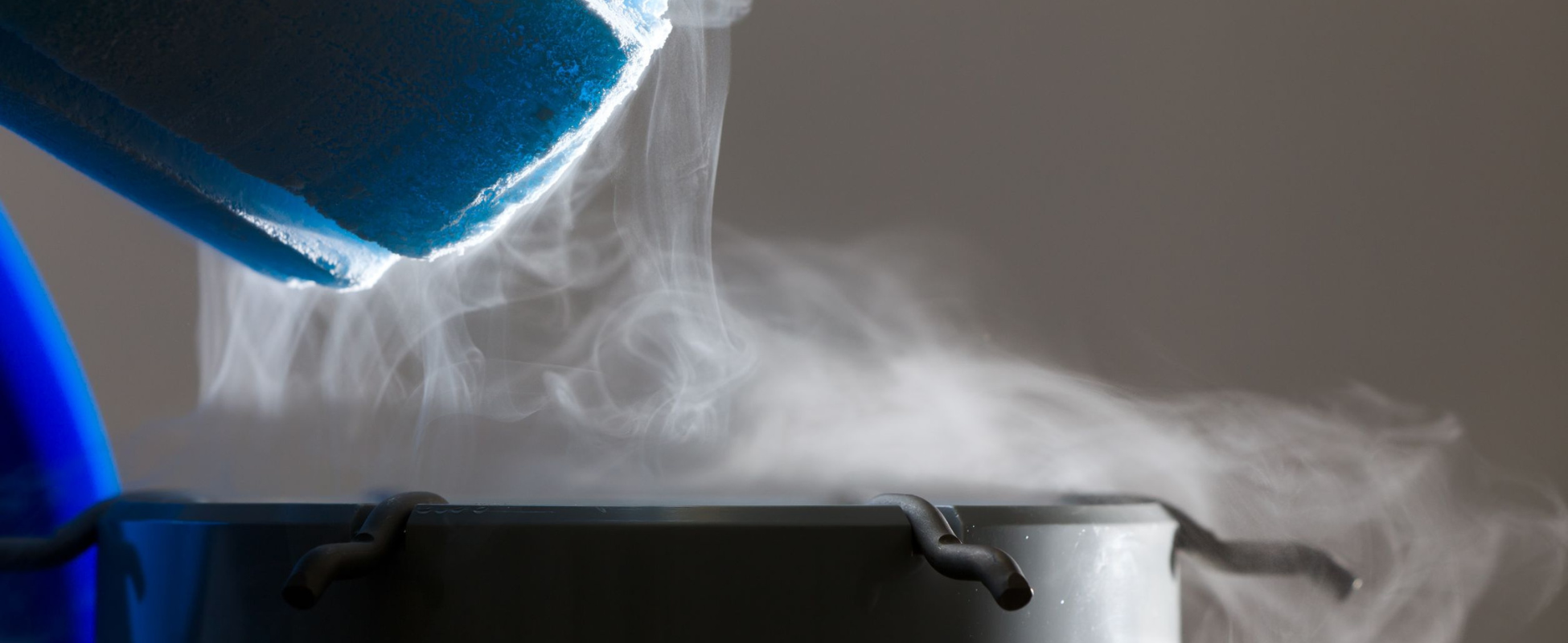
As advanced therapies increasingly rely on ultra-low temperature conditions, packaging technologies are being pushed into new territory. Schreiner MediPharm has introduced a deep-freeze seal designed to maintain tamper evidence even at temperatures as low as -196 °C, addressing a growing gap in pharmaceutical cold chain security.
A response to evolving regulatory and technological constraints
Tamper-evident packaging has been a regulatory requirement in the European Union since the implementation of the Falsified Medicines Directive, further reinforced by ISO 21976 standards. While compliance is well established for conventional medicines, newer modalities—such as mRNA-based treatments, biologics, and cell and gene therapies—have introduced additional complexity.
These therapies frequently require storage and transport in extreme sub-zero environments, where traditional sealing solutions may fail. Adhesion performance can deteriorate significantly at such temperatures, raising concerns about the reliability of tamper verification throughout the supply chain.
Engineering adhesion under extreme conditions
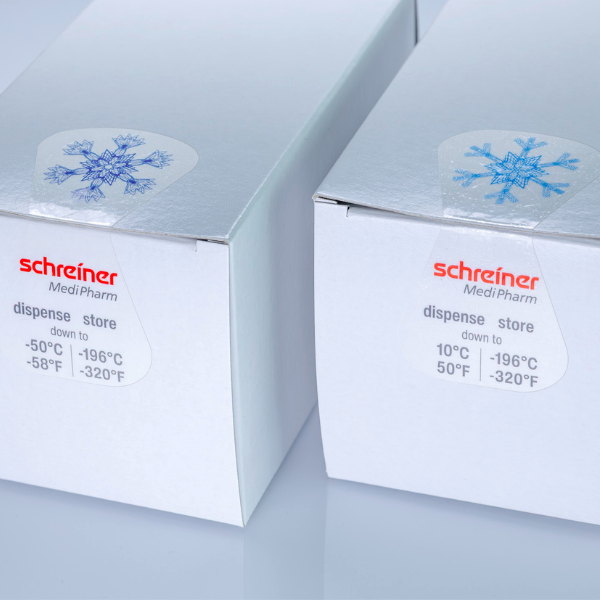
Schreiner MediPharm’s newly developed seal is specifically engineered for these constraints. Designed for application on folding boxes, the transparent seal maintains adhesion even in cryogenic conditions down to -196 °C.
Its security mechanism combines multiple layers of protection. A “multi-tear effect” ensures that any attempt to remove the seal leads to irreversible damage: the film tears due to integrated cuts, while the carton surface may also show fibre tear, providing immediate visual evidence of tampering. In addition, a guilloche pattern—commonly used in security printing—adds an authentication feature, with the option to integrate further overt or covert elements depending on risk levels.
Two variants for operational flexibility
The solution is available in two configurations, reflecting different logistical environments. One variant is optimised for application at 10 °C, while the other can be applied at temperatures as low as -50 °C. Both comply with EU regulatory requirements and ISO 21976, and are designed to ensure consistent performance across the full distribution chain.
Supporting integrity across the cold chain
Beyond the label itself, the development reflects a broader shift in pharmaceutical packaging: ensuring product integrity under increasingly demanding conditions. As ultra-cold supply chains become more common, particularly with the rise of personalised and biologic therapies, packaging components are expected to deliver both mechanical performance and regulatory compliance without compromise.
Schreiner MediPharm positions this innovation as part of a wider, customised approach, supporting manufacturers in adapting tamper-evident solutions to specific products and threat scenarios.