



A new partnership between Gerresheimer and Milliken & Company signals a further step in the evolution of high-performance pharmaceutical packaging, combining materials science and industrial expertise to address one of the sector’s persistent challenges: moisture protection in polymer-based containers.
At the centre of this collaboration is LeneX™ UltraGuard®, an additive technology developed by Milliken to enhance polymer performance. Integrated into HDPE packaging systems, the technology delivers up to a 40% improvement in moisture barrier properties, an advancement that could have tangible implications for product stability, shelf life, and regulatory compliance.
The initiative builds on prior work conducted with Bormioli Pharma, now part of Gerresheimer, where the solution has already been implemented for a global pharmaceutical client. The transition from project-based collaboration to a broader strategic partnership suggests confidence in both scalability and industrial relevance.
A technical response to a structural constraint
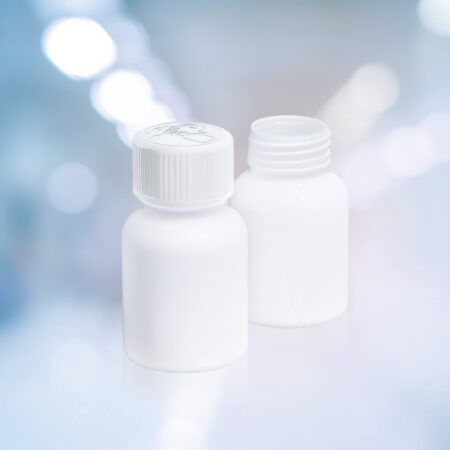
Moisture ingress remains a critical constraint in pharmaceutical packaging, particularly for solid oral dose formats and hygroscopic formulations. While HDPE is widely used due to its robustness and cost-efficiency, its intrinsic barrier properties can limit its suitability for more sensitive applications.
By enhancing moisture resistance without fundamentally altering the base material, LeneX™ UltraGuard® offers a more incremental, but potentially more deployable, solution than multilayer systems or alternative polymers. This positions the technology as a pragmatic option for manufacturers seeking performance gains without major process disruption.
Performance gains aligned with sustainability targets
Beyond barrier improvement, the partnership highlights another industry priority: material reduction. The enhanced performance of HDPE enabled by the additive allows for downgauging, reducing material thickness while maintaining protection standards.
This has direct implications for sustainability strategies, particularly in the context of Scope 3 emissions and packaging optimisation. Lighter packaging not only reduces raw material consumption but can also improve transport efficiency and overall environmental footprint.
However, as with many material innovations, the real impact will depend on adoption at scale and validation across different drug products and regulatory environments.
Balancing protection, efficiency, and industrial feasibility
Another notable aspect of the technology is its compatibility with existing manufacturing processes. Maintaining processing efficiency is often a barrier to the adoption of new materials or additives, especially in highly regulated environments where consistency is critical.
According to both companies, LeneX™ UltraGuard® has been engineered to integrate into standard production workflows without compromising throughput or quality. If confirmed in broader applications, this could lower the threshold for industrial adoption.
Industry visibility at Interpack
The collaboration will be presented at Interpack 2026 in Düsseldorf (7–13 May), where Milliken will showcase the technology and its applications in pharmaceutical packaging.
The timing is relevant. As the industry faces increasing pressure to reconcile performance, sustainability, and cost, incremental material innovations such as this may play a growing role in bridging the gap between regulatory requirements and environmental objectives.